How a Surgical Dental Implant Fuses With Jawbone
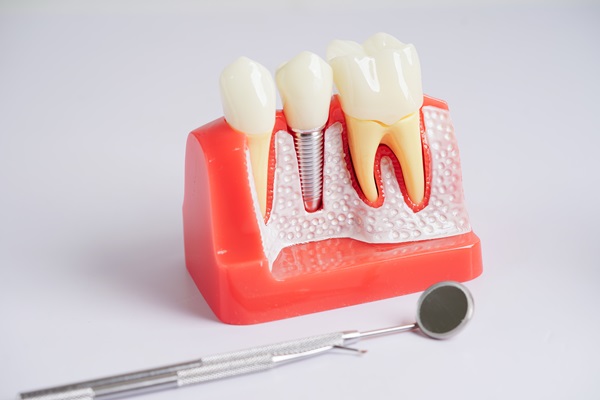
If you are looking to replace several teeth due to decay, infections, disease, injury, or other loss, then you may be looking for your options for a dental implant. The good news is that these procedures have been done frequently, and therefore, a lot of knowledge is known about the process and what to expect. This is a great replacement when dealing with long-term dental hygiene concerns.
First steps
Initially, you will see your dentist for a consultation and examination. They will look at your dental health and likely take photos or x-rays of your jaw. At this time, inform them of any medical conditions or medications you are on. During some dental procedures, medications can thin the blood and cause problems with surgery. It is possible that you may have some bone loss and may need bone grafting, which is a procedure used to rebuild or repair bones. If all looks well, your dentist will schedule an appointment for your surgery.
The dental procedure
During the surgery, your dentist will put an incision into your gums to place the piece where your tooth is missing. The gums are then closed again. When fully secured, an abutment will be put over the piece. An abutment is a connector that holds the crown, or fake tooth, in place, so it is protected.
How does it work?
Dental implants work by taking advantage of our body’s systems of healing and adapting. Once the surgery is completed, the bone grows around the new piece. You can imagine this like tree roots- if there is something in the way, it will simply grow and move around. This fusion then becomes part of our body and allows you to eat and replace the functions of an authentic tooth. Currently, only certain materials are compatible with the surgery without our body rejecting it. Usually, they are made of titanium that is biodegradable.
Recovery process
It may take some time for you to recover fully. Relieve yourself of any responsibilities, like work, so you can properly recover. You may have some initial minor pain, swelling, bleeding, or agitation in the area. Over-the-counter medications can help you manage any discomfort. You may be prescribed antibiotics following the surgery, which should be taken as directed to prevent any infection. Your dental professional might also recommend certain mouth rinses that are antibacterial. If you get dental implants, make sure you practice regular dental hygiene for your dental health.
Speak with your dentist
Dental implants offer one of the most beneficial tooth replacement options available. Their ability to fuse within the jawbone provides unsurpassed natural stability, and helps to maintain bone density for the adjacent teeth. If you think that a dental implant might be an option for you, contact your dentist today to schedule an appointment.
Request an appointment here: https://www.theartofdentistry.com or call The Art of Dentistry at (916) 472-2524 for an appointment in our Roseville office.
Check out what others are saying about our dental services on Yelp: Dental Implants in Roseville, CA.
Related Posts
A deep teeth cleaning is a more intensive dental cleaning procedure that goes beyond the standard cleaning performed during regular dental visits. The treatment removes plaque, tartar, and bacteria from below the gum line, addressing issues or severe plaque buildup, which can lead to further oral health complications if left untreated.Several signs may indicate the…
Your general dentist can help you achieve good oral health with regular checkups. But sometimes, some issues need extra visits. Knowing these concerns can help you schedule an appointment. Here are the specific concerns that need your general dentist’s attention.An individual may see a strange lesion and call for an appointment about it. The dentist…
Your general dentist can determine the cause of your tooth sensitivity. This dental issue may come from various factors. A visit to the dentist can help get you the solution you need. Here are the details on when you must see your general dentist for your tooth sensitivity.Severe dental sensitivity can prevent an individual from…
Has it been over six months since your last appointment with a general dentist? Read on to learn more about the importance of regular dental checkups. Regular dental care is important for healthy, long-lasting smiles, and your general dentist aims to help you achieve optimal oral health.The basis of preventive dentistry is routine dental checkups.…